
The Myth of Always Being ‘Positive’
I’ve always been drawn to positive psychology. The idea that our mindset shapes our reality, that we can rewire our brains to be happier, more fulfilled, and more resilient—it fascinated me. I devoured books, attended seminars, and soaked up every piece of wisdom about gratitude, optimism, and high-performance habits. I truly believed that with enough effort, I could keep negativity at bay and build a life filled with light.
But the more I studied, the more I realised I had misunderstood something crucial. Positive psychology isn’t about being happy all the time. In fact, real growth—the deep, lasting kind—doesn’t come from avoiding pain. It comes from moving through it.
The Dark Side of Positivity
We live in a culture obsessed with positivity. Social media bombards us with messages like “just stay positive” and “good vibes only.” And while positivity can be a powerful tool, it can also become a trap. Psychologists call this toxic positivity—the idea that we should suppress negative emotions and force ourselves to always look on the bright side.
But emotions don’t work that way. Suppressing pain doesn’t make it disappear; it just buries it deeper. A study by Gross & Levenson (1997) found that when people try to suppress their emotions, their physiological stress responses actually increase. In other words, pretending to be okay doesn’t make us stronger—it makes us more fragile.
I used to believe that being strong meant always finding the silver lining, always pushing forward with a smile. But life had other plans.
My Journey Through the Dark
Like many of us, I’ve had my share of struggles—moments when things fell apart, when I felt lost, when nothing made sense. And I hated those moments. I saw them as failures, as proof that I wasn’t doing life “right.”
But then I started coming across a different perspective—one that changed everything for me.
Psychologists Richard Tedeschi and Lawrence Calhoun (1996) introduced the concept of post-traumatic growth (PTG). Their research found that people who go through adversity often come out stronger, wiser, and more fulfilled. They don’t just bounce back—they bounce forward. Their relationships deepen, their priorities shift, and their sense of meaning expands.
For the first time, I saw my struggles differently. Maybe they weren’t signs of failure. Maybe they were part of the process.
Growth Isn’t About Avoiding Pain, It’s About Integrating It
One of the most eye-opening theories I came across was the Dual Process Model of Coping with Bereavement by Stroebe & Schut (1999). While originally designed to explain how people process grief, it applies to personal growth too. The model suggests that people don’t heal in a straight line. Instead, we oscillate between confronting our pain and taking breaks from it. Some days, we dive deep into our struggles, and other days, we focus on moving forward. Both are necessary.
This made so much sense to me. I had always thought that healing meant pushing through, staying positive, refusing to dwell. But real healing allows for both darkness and light.
The Japanese Art of Kintsugi—Embracing the Cracks
A beautiful metaphor for this comes from Japan—the ancient art of kintsugi. When a ceramic bowl breaks, instead of discarding it, artisans repair it with gold, highlighting the cracks rather than hiding them. The idea is that the object becomes more beautiful for having been broken.
I now see personal growth in the same way. We don’t grow despite our struggles—we grow because of them. Our scars don’t make us weak; they make us unique.
How to Embrace the Dark and Grow Through It
If you’re in a tough place right now, I want you to know that you’re not failing. You’re growing. Here are a few things that have helped me embrace the process:
Allow yourself to feel
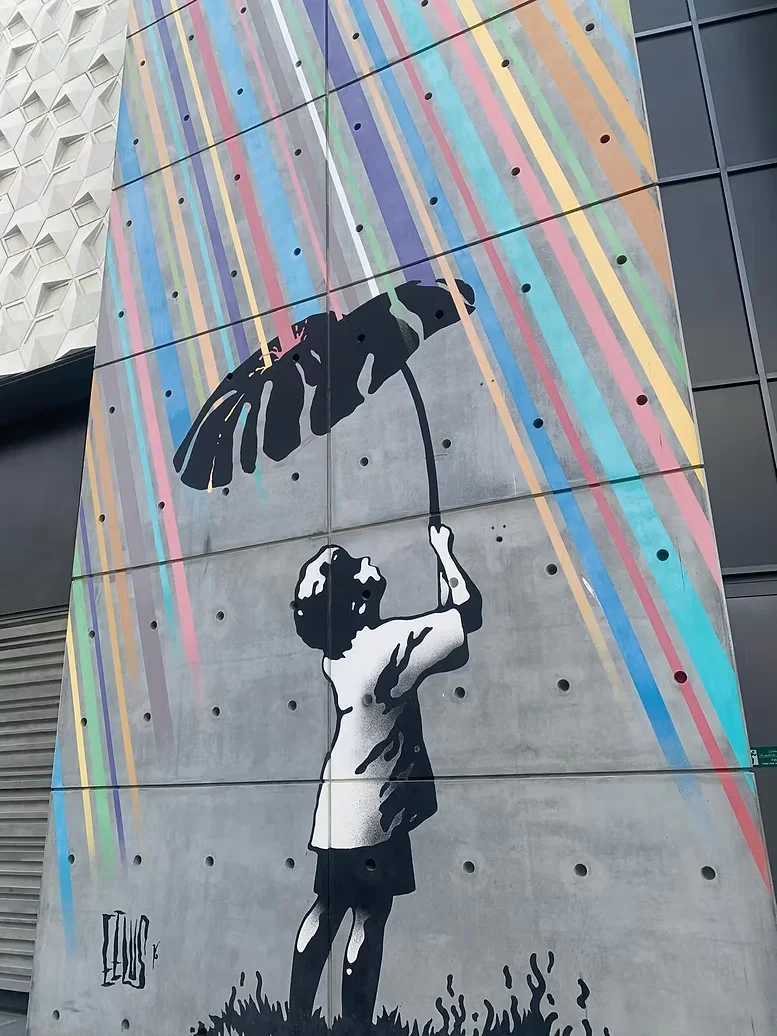
Instead of suppressing difficult emotions, acknowledge them. Journaling, therapy, or simply sitting with your emotions can be powerful.
Redefine what strength means
Strength isn’t about never falling—it’s about getting back up, even when it’s hard.
Look for meaning in struggles
Studies show that people who find purpose in their hardships experience greater personal growth (Frankl, 1946). Ask yourself: What is this teaching me?
Trust the process.
Healing and growth aren’t linear. Some days you’ll feel like you’re making progress, and other days you won’t. That’s normal.
I used to think that the goal of life was to be happy. Now, I think the goal is to grow and growth is messy. It’s painful. It’s uncomfortable. But it’s also beautiful.
If you’re struggling, know this: you are not broken. You are becoming.

The Sting of Rejection: Why it.
Rejection is one of the most painful human experiences. Whether it’s being passed over for a.
Read More
Is my partner valuing my emotional.
Are You Caught in an Idealise, Devalue, and Discard Cycle?Relationships can feel confusing when your partner’s.
Read More