
The Sting of Rejection: Why it Hurts and How to Heal
Rejection is one of the most painful human experiences. Whether it’s being passed over for a job, excluded from a group, or turned down in a relationship, rejection stirs deep emotional wounds. But why does it hurt so intensely, and how can we navigate it in a way that leads to healing?

Rejection feels painful because it taps into our most primal fears. Early humans were hardwired to belong to a tribe for survival. Being rejected meant isolation and danger. Our brains, therefore, evolved to treat rejection as a threat, much like physical harm. Neuroscientific research has shown that the same parts of the brain activated during physical pain also light up when we experience rejection (Eisenberger & Lieberman, 2004). This overlap explains why rejection doesn’t just hurt emotionally but can feel physically painful too.
The Mental Toll of Rejection: Patterns of Self-Doubt
When we face rejection, it’s easy to spiral into negative thought patterns. We begin to question our self-worth, often interpreting the rejection as proof that something is fundamentally wrong with us. Thoughts like “I’m not good enough” or “No one will ever want me” flood our minds, increasing emotional pain.
Rejection can be painful because it can feel like a personal attack. Rejection strikes at the core of who we are, making it hard to separate the event from our sense of self. These thoughts often loop endlessly in our minds, which magnifies the distress.
Rejection in Childhood: Where It All Begins
Our sensitivity to rejection often traces back to childhood experiences. How we first learn to navigate rejection can shape how we handle it in adulthood. If we were rejected or excluded by peers, criticised by parents, or faced early emotional abandonment, it can leave lasting emotional imprints. Children who felt unsupported in these moments may develop a heightened sensitivity to rejection later in life.
Psychotherapist Susan Anderson, author of ‘The Journey from Abandonment to Healing’, argues that early experiences of rejection or abandonment can trigger what she calls the “primal wound.” This wound is deep and often manifests as feelings of unworthiness and insecurity, leading to a lifelong fear of rejection.
Healing from Rejection: A Compassionate Approach
Healing from rejection isn’t about forcing yourself to think differently or “getting over it” quickly. It requires patience, understanding, and a shift in how you view yourself and your emotions. Here are some strategies to help:
Validate Your Feelings
The first step in healing is to acknowledge the pain. Telling yourself that “it doesn’t matter” or “I shouldn’t feel this way” only deepens the hurt. It’s okay to feel wounded by rejection—it’s a natural response. Give yourself permission to feel your emotions without judgment. Self-compassion is key here. Treat yourself with the same kindness you would offer a close friend.
Emotional Expression
Bottling up feelings of rejection only prolongs the healing process. One way to process these emotions is to express them. This can be through journaling, talking to a trusted friend, or engaging in creative outlets like art, music, or poetry. The act of expressing your feelings externalises the pain and helps you make sense of it. Expressing emotions also creates space for healing, as it allows you to confront and release your feelings in a safe way.
Engage in Activities That Restore Your Sense of Belonging
Rejection can make you feel isolated, but reconnecting with supportive people is crucial. Spend time with friends or family members who make you feel valued. Even if it’s difficult, seek out communities where you feel accepted and understood, whether that’s through a hobby, a support group, or an online community. Being around people who affirm your worth helps counterbalance the pain of rejection.
Rebuild Your Identity
Rejection can challenge your sense of self. It’s easy to define yourself through the lens of what went wrong, but it’s essential to reconnect with your strengths and positive qualities. Start small. Write down your accomplishments, qualities you’re proud of, or times when you’ve succeeded. Focus on your value outside of the context of the rejection.
Embrace Vulnerability
One of the hardest parts of dealing with rejection is the fear of putting yourself out there again. After rejection, we often feel the urge to retreat and protect ourselves. But healing requires embracing vulnerability—recognizing that rejection is a part of life and that it doesn’t define your worth. As Brené Brown highlights in her research, vulnerability is the birthplace of connection, creativity, and courage. By allowing yourself to be vulnerable again, you open the door to new opportunities and deeper relationships.
Mindful Self-Care
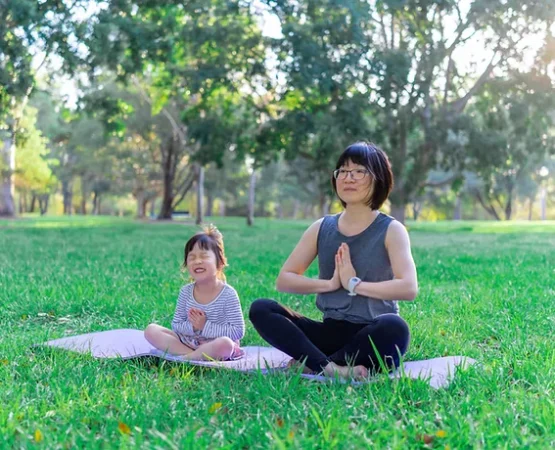
Rejection can take a toll on both your mental and physical health. Engaging in self-care practices like mindfulness, yoga, exercise, or even just getting outside in nature can help soothe the nervous system. These practices help shift your focus away from the pain of rejection and into the present moment, reducing stress and promoting healing. Mindful breathing exercises can calm the brain’s rejection response and give you more control over your emotional reactions.
Find Meaning in Rejection
Sometimes, the hardest moments of rejection can lead to the most profound growth. Reflect on what you can learn from the experience. Maybe it’s about adjusting your expectations, seeking different opportunities, or recognising patterns in relationships that no longer serve you. Finding meaning in rejection doesn’t diminish the pain, but it helps turn the experience into a stepping stone for personal development.
Rejection is an inevitable part of life, but it doesn’t have to define us. Its roots lie deep in our evolutionary and emotional history, which explains why it feels so personal and painful. Healing from rejection isn’t a quick fix—it’s a journey that requires compassion, patience, and a commitment to rebuilding. By embracing vulnerability, reconnecting with supportive people, and giving ourselves the space to heal, we can emerge from rejection stronger, more resilient, and better equipped to face future challenges.
Just take a moment – the.
The craving to pause and admire simple experiences, such as observing the colour of the sea,.
Read More
Is my partner valuing my emotional.
Are You Caught in an Idealise, Devalue, and Discard Cycle?Relationships can feel confusing when your partner’s.
Read More